 ,
, 

The 4 Stages of Diabetic Retinopathy Explained


February 24, 2026
If you’re living with diabetes, protecting your vision should be a top priority. Diabetic retinopathy is a progressive eye condition that often develops without warning signs, making routine eye exams essential. At Vision Center South, we emphasize the importance of early detection through routine diabetic eye exams in Wetumpka. Understanding the four stages of diabetic retinopathy can help you protect your sight before symptoms become severe.
What Is Diabetic Retinopathy?
Diabetic retinopathy occurs when prolonged high blood sugar damages the tiny blood vessels that nourish the retina. Over time, these vessels can leak, swell, or become blocked, affecting how clearly you see. The condition typically develops gradually, often without noticeable symptoms in the early stages. That’s why routine comprehensive eye exams are essential for anyone living with diabetes.
Stage 1: Mild Nonproliferative Diabetic Retinopathy
This is the earliest stage of diabetic retinopathy. At this point:
- Small areas of swelling in the retinal blood vessels, called microaneurysms, begin to form.
- Some blood vessels may leak small amounts of fluid into the retina.
Most patients do not experience noticeable vision changes during this stage. However, early retinal damage is already occurring. Because symptoms are minimal or nonexistent, only a dilated eye exam can detect these subtle changes. Early detection at this stage provides the best opportunity to slow or prevent progression.
Stage 2: Moderate Nonproliferative Diabetic Retinopathy
As the disease progresses:
- Blood vessels that supply the retina begin to weaken or become blocked.
- The retina may receive less oxygen and nutrients.
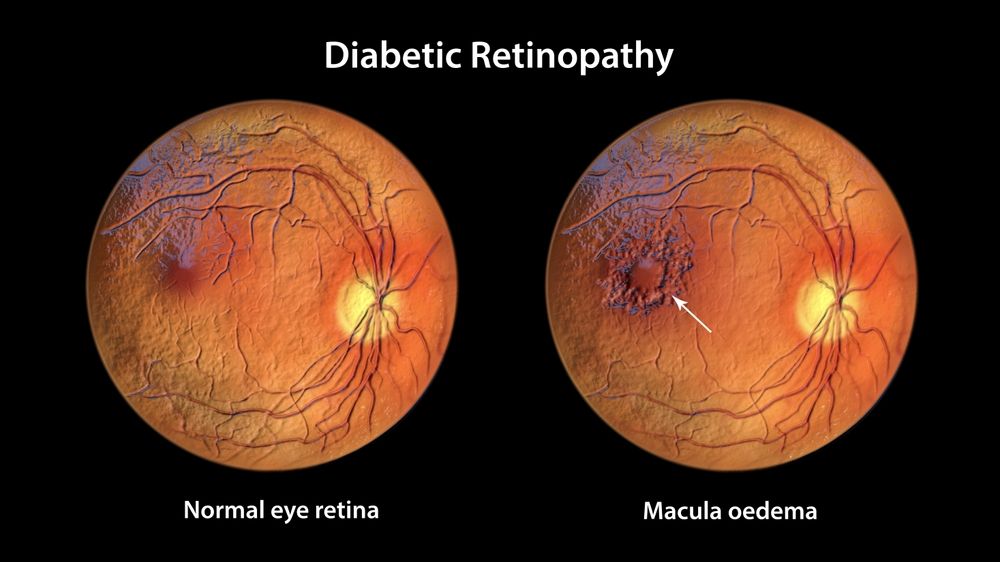
- Fluid leakage may increase, potentially leading to swelling in the central retina (macular edema).
Some patients may begin to notice mild vision changes, such as blurry or fluctuating vision. However, many still have no obvious symptoms. Routine diabetic eye exams in Wetumpka allow your eye doctor to monitor these changes closely and recommend treatment when necessary.
Stage 3: Severe Nonproliferative Diabetic Retinopathy
At this stage:
• A larger number of retinal blood vessels are blocked.
• Significant portions of the retina are deprived of oxygen.
• The retina sends signals to grow new blood vessels to compensate.
Although new vessel growth has not yet begun, the eye is preparing for the most advanced stage of the disease. Vision problems may become more noticeable, especially if macular edema is present. Without treatment, severe Nonproliferative Diabetic Retinopathy often progresses to proliferative diabetic retinopathy.
Stage 4: Proliferative Diabetic Retinopathy
This is the most advanced and serious stage.
- New, abnormal blood vessels begin to grow on the surface of the retina.
- These vessels are fragile and prone to bleeding.
- Scar tissue may form, potentially leading to retinal detachment.
Patients may experience:
- Dark spots or floaters
- Blurred vision
- Sudden vision loss
Proliferative diabetic retinopathy can cause permanent blindness if not treated promptly. Immediate medical intervention is critical at this stage.
Why Early Detection Matters
One of the most challenging aspects of diabetic retinopathy is that it often develops silently. Many patients don’t realize there’s a problem until vision is already affected.
Routine eye exams allow your eye doctor to:
- Detect early retinal changes before symptoms appear
- Monitor progression over time
- Recommend treatment to prevent vision loss
For individuals living with diabetes in Wetumpka, annual diabetic eye exams or more frequent visits if recommended are essential for protecting long-term vision.
Who Is at Risk?
Anyone with type 1 or type 2 diabetes is at risk for diabetic retinopathy. Your risk increases with:
- Poor blood sugar control
- High blood pressure
- High cholesterol
- Long duration of diabetes
- Pregnancy
Even if your vision seems perfectly clear, regular eye exams remain critical.
Protecting Your Vision Starts with Prevention
Managing diabetes effectively through healthy lifestyle choices and medical care plays a major role in reducing your risk. However, medical management alone is not enough. At Vision Center South, we provide thorough diabetic eye exams using advanced diagnostic technology to evaluate the health of your retina. Early diagnosis allows for timely treatment, helping preserve your vision and maintain your quality of life.
Stay Ahead of Diabetic Eye Disease with Vision Center South
Diabetic retinopathy progresses in four stages - from mild vessel changes to advanced abnormal blood vessel growth that can threaten sight. Because the early stages often have no symptoms, routine eye exams are critical for anyone living with diabetes. If you have diabetes, don’t wait for vision problems to appear. Protecting your sight begins with proactive care and early detection.
Schedule your medical eye exam at Vision Center South to safeguard your vision from diabetic retinopathy. Visit our office in Wetumpka, Alabama, or call (334) 567-7722 to book an appointment today.
Our Locations


© 2026 Vision Center South. All rights Reserved. Accessibility Statement - Privacy Policy - Sitemap
- Powered by:


